Go Back

Maximum Sensitivity. Minimal Interference: High-Purity Solvents for PFAS Analysis
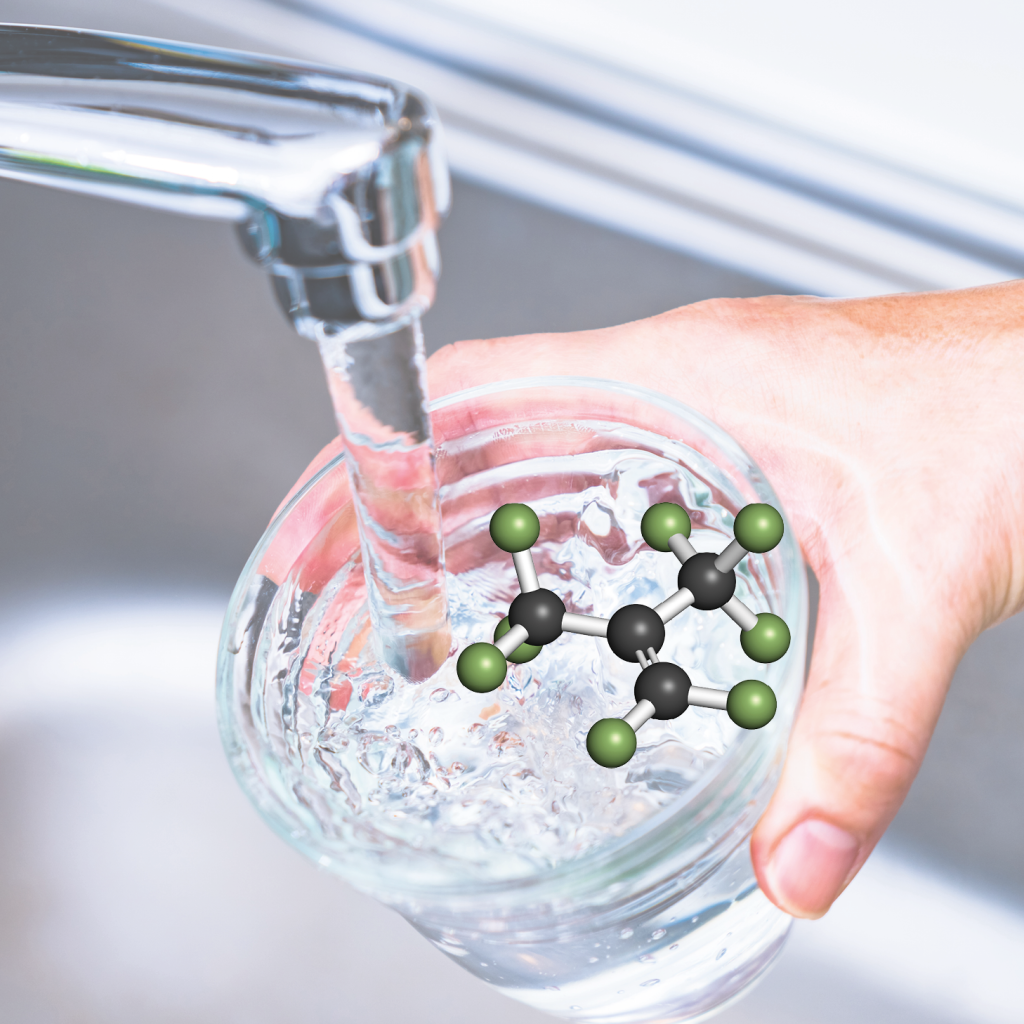
The analysis of PFAS (per- and polyfluoroalkyl substances) has become increasingly important as these compounds are incorporated into various regulatory frameworks and standards. Detecting and quantifying PFAS in relevant matrices including water, food, and soil that requires highly reliable analytical methods. 

As regulatory and legislative attention continues to grow, analytical laboratories face an increasing need for accurate analyses with minimal background contamination and interference. The widespread presence of PFAS in everyday products and materials makes contamination control an important consideration throughout the analytical workflow.  

To address these analytical challenges, Scharlau offers a range of high-purity solvents specifically developed PFAS analysis, manufactured, purified, and packaged to reduce PFAS contamination. As PFAS are analyzed using LC-MS/MS techniques, these solvents are also fully compatible with such techniques. Accordingly, these solvents help the laboratories achieve reliable and accurate analytical results

Maximum Sensitivity

Why Purity Matters in PFAS Analysis

Because PFAS are increasingly monitored in environmental and other relevant matrices, analytical laboratories need to consider potential sources of background contamination throughout the testing process. 

Starting with high-purity solvents specifically developed for PFAS analysis can help laboratories minimize unwanted background signals and support more reliable results. 

Maximum sensitivity starts with minimal interference.  

Explore Scharlau PFAS here!  

Related Resources